
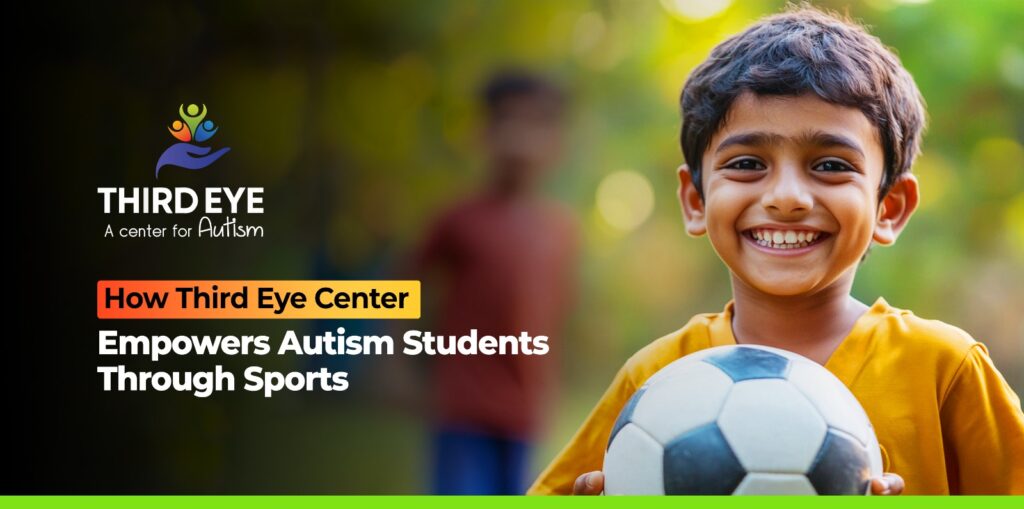
Sports have become a powerful way to support children with Autism Spectrum Disorder. At Third Eye Center, well-structured sports activities are not just extracurricular—they are an essential part of therapy and overall development.
Learn more here: https://www.thirdeyecenter.org/
Table of Contents
ToggleWhy Sports Are Important for Autism Students
Kids with autism can run into a bunch of tough spots like:
- Communication
- Social stuff
- Skills and coordination
- Handling feelings and big emotions
Sports can help with all that, just by getting them moving, talking, and sticking with routines that make sense. And yeah, studies keep saying exercise helps kids with autism, both with behavior and social stuff too
How Third Eye Center Makes Sports Work Better
At Third Eye Center, sports are set up more like therapy in disguise, so basically every game or drill is helping with development in some way
Key Ways They Do It:
- Structured sports times with therapists who actually know what they’re doing
- One-on-one and group activities mixed in
- Skills taught in simple step-by-step chunks
- Positive rewards and encouragement stuff
So it’s learning by doing, and kinda just picking it up as they go
Types of Sports Activities They Do
The center brings in different sports so it fits different skill levels and comfort zones
Activities They Offer:
- Running and simple athletics
- Ball games (throwing, catching, kicking)
- Indoor games for coordination
- Yoga and movement-based therapy
- Group play activities
All of this helps kids slowly build up confidence, plus strength, without it feeling like too much .
Benefits of Sports for Autism Students
1. Helps with Social Skills
- Gets them interacting with other kids
- Shows teamwork, sharing, all that
- Helps them feel more sure when communicating
2. Build Multi Skills
- Helps balance and coordination get better
- Builds muscles and body control
- Works on fine and big motor skills
3. Supports Emotional Health
- Can lower stress and anxiety
- Helps mood and behavior chill out a bit
- Boosts self-confidence
4. Adds Discipline and Routine
- Helps kids practice following directions
- Builds steady habits and focus
- Can improve attention
Sports Impact on Student Development
| Development Area | How Sports Help | Outcome for Students |
|---|---|---|
| Social Skills | Group activities, teamwork | Better interaction |
| Physical Health | Exercise, movement | Improved fitness |
| Emotional Control | Structured play | Reduced stress |
| Cognitive Skills | Game rules, coordination | Better focus and thinking |
| Confidence | Achievement in activities | Increased self-esteem |
What Therapists and Trainers Do
At Third Eye Center, trained staff are there the whole time, guiding kids through the sports stuff and keeping it on track
Their Job:
- Figure out each child’s current level
- Adjust activities depending on what they need
- Keep encouraging them, even on off days
- Check progress often and keep notes
Basically making sure every kid learns at their own speed .
Personal Plan for Every Kid
Not every kid learns the same, like at all. So the center sticks to a more personal training setup
Key Parts:
- One-on-one attention
- Skills built up slowly, not rushed
- Safe space that feels supportive
- Flexible pace, so no pressure
- That way kids can feel comfy, more motivated, and just more confident overall
Building a Supportive Space
A safe, upbeat place matters a lot if you want real growth to happen
Environment Highlights:
- Trainers who are friendly, and patient too
- A positive reinforcement setup
- Inclusive activities, not all competitive
- More focus on joining in than being “the best”
- Kids can try things out without feeling pushed or judged
Real-Life Changes in Students
With sports, students at Third Eye Center often show pretty clear improvements like:
- Better communication
- More independence
- Health and fitness getting better
- Confidence going up
- Stronger social connections
Conclusion
Third Eye Center clearly demonstrates that sports are much more than physical activity—they are a powerful tool for development. By integrating therapeutic approaches into structured sports programs, the center helps students with autism grow socially, emotionally, and physically.
For parents looking to support their child’s overall development, sports-based learning at Third Eye Center offers a well-rounded and highly effective approach.
FAQs
- How do sports help kids with autism?
Sports can boost social skills, coordination, and emotional health.
- What kinds of sports do they do at Third Eye Center?
They do things like running, ball games, yoga, and group play.
- Are sports safe for autism students?
Yep, everything is supervised and matched to the child’s ability.
- Do sports help with communication?
Yeah, group games push interaction and back-and-forth communication.
- Is the training different for each child?
Yes, each student gets their own attention and support.