
Introduction
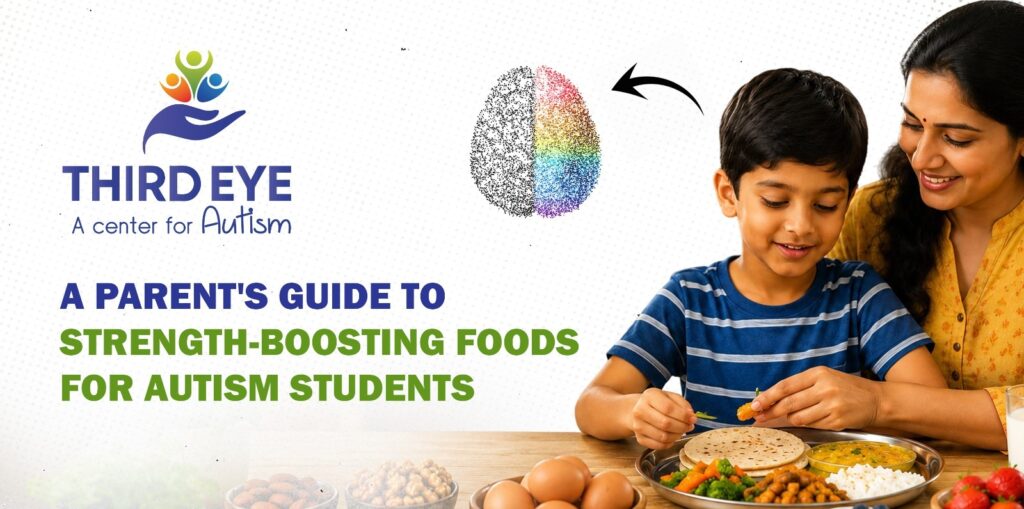
Food impacts on more than just physical growth. The proper nutrition for autism students can affect their energy, attention, activities and their health. There is no autism diet program which will cure autism, however a well balanced eating plan can aid support healthful growth and strength. Some parents have observed that autistic children tend to favor some foods and reject others based on either the texture, smell, taste or the appearance. This can sometimes be a challenge for them to get all the nutrients that their body needs.
As a result of such eating patterns, nutrition can be an autism care focus for the day to day. Healthy food selections for autism students can aid growth and immunity, as well as maintaining healthy levels of energy and muscle building. The trick in improving the quality of your life is small changes over time.
Table of Contents
ToggleWhy Nutrition Matters for Autism Students
Autism students have also been found to have special food likes and dislikes. Some individuals have a small selection of foods they will eat and others may refuse or avoid a whole food group. This means that key nutrients may be missing from their autism diet at times.
A Healthy Diet has a Number of Benefits in Many Aspects of Your Health, Including:
- Physical growth and development.Physical changes.
- Strongly increased attention span and concentration.
- Creating a stable energy throughout the day.
- Strong immune function
- Healthy digestion
- Muscles and bones that are strong.Strong musles and bones.
A nutritious meal plan does not need to be complicated. In many situations, it is often the better approach to slowly introduce nutrient-rich food to the body and build up good eating habits.
Foods to build strength are protein foods
Protein is an important factor in the growth and repair of muscle mass. It is also useful for strengthening the body. Providing sufficient protein in daily foods helps to promote proper growth in autism students.
Autism Students will find these good protein foods to be:
- Eggs
- Chicken
- Fish
- Lean meat
- Paneer
- Tofu
- Lentils
- Beans
- Chickpeas
The foods mentioned provide amino acids which are necessary components the body needs to develop, grow, and function appropriately. Boiled eggs, or lentils can be added to a meal, which provide protein to the diet.
Fruits and vegetables are a great way to support overall health
A large portion of autistic children do not eat the suggested amount of fruits and vegetables. However, these foods contain nutrients that are important for body health including vitamins, minerals and antioxidants.
Some of the healthy foods for autism are:
- Apples
- Bananas
- Oranges
- Berries
- Carrots
- Spinach
- Broccoli
- Sweet potatoes
Some children may not like eating fresh produce. In such cases, parents could experiment with smoothies, soups or make some smoothies and soups with their children. The right presentation can make all the difference at times. Eating foods in a form that is comfortable with the child makes nutrition for autistic children easier.
Healthy Fats For Brain And Body Function
Another essential component in an autism diet is healthy fats. They give them energy and are important for their normal brain growth. Omega-3 fatty acids have been a point of interest due to their possible health benefits for the brain.
Here are some good sources of healthy fats:
- Salmon
- Sardines
- Flaxseeds
- Chia seeds
- Walnuts
- Avocados
The foods listed below can be incorporated into eating a balanced autism diet on a regular basis. Although research is still underway, many families opt to add omega-3 foods to their diet for a healthy eating plan.
The Best whole-grain and Fiber for a Never-Ending Supply of Energy
Children require energy to learn, play and engage with their daily lives. Whole grains also offer sustained energy, rather than a rush of energy that is followed by an energy crash. Fiber also promotes gut health; some students with autism have digestive issues which can be particularly significant.
Some examples of whole grains are:
- Oats
- Brown rice
- Whole wheat bread
- Millets
- Quinoa
Foods high in fibre aid in digestion and are part of a balanced diet. They can also make the children more content for longer.
Just a Few of the Foods Recommended by Best Autism-specific Dietitians
| Food Group | Examples | Main Benefits |
|---|---|---|
| Protein | Eggs, Fish, Chicken | Promotes strength and growth of muscles. |
| Fruits | Apples, Bananas, Berries | Helps provide vitamins and antioxidants. |
| Vegetables | Spinach, Carrots, Broccoli | Fights infection, nourishes the body, boosts immunity, and supports overall health. |
| Healthy Fats | Walnuts, Salmon, Avocado | Promotes brain function and provides energy. |
| Whole Grains | Millets, Brown Rice, Oats | Supplies long-lasting energy and dietary fiber. |
| Dairy or Alternatives | Milk, Yogurt, Fortified Foods | Promotes bone health and provides essential nutrients. |
Foods that are Better Limited
While all children are unique, decreasing the amount of highly processed foods ingested can contribute to better nutrition.
Limit the following foods:
- Sugary drinks
- Excess sweets
- Deep-fried snacks
- Packaged processed foods
- Regularly eating quick foods.
Slow changes are the ones that will be the most effective in the long run. Giving many healthy foods is beneficial in many ways to growing, learning and activity of a child and gives parents and caregivers the peace of mind that they are feeding a child autism healthy foods.
Frequent Questions
1. What healthy food should students with autism be fed with?
The best foods for students with autism are foods high in protein, foods that are fruits and vegetables, foods with good fats and grains.
2. Is there any diet that could cure autism?
No diet has been able to cure students with autism but are useful for the good health growth and daily functioning for the child.
3. Do many children with autism reject food due to their sensitivities?
The characteristics that are sensitive in food could be its texture, its smell, its taste or how it looks, many of these can affect food choice.
4. Are foods high in nutrients the most important part in children with autism?
Yes, foods with vitamins, minerals and antioxidants are good to have.
5. Do you agree students with autism need supplements?
With only the advice of a healthcare provider or a registered dietitian, use should be used for supplements.
Sources
Autism Speaks – Nutrition and Autism
https://www.autismspeaks.org/autism-nutrition
National Autistic Society – Nutrition Research Updates
https://autism.org/research-updates-nutrition-and-autism-2023/
India Autism Center – Nutrition and Autism Guide
https://indiaautismcenter.org/blog/nourishing-minds-exploring-the-impact-of-diet-and-nutrition-on-autistic-individuals/