
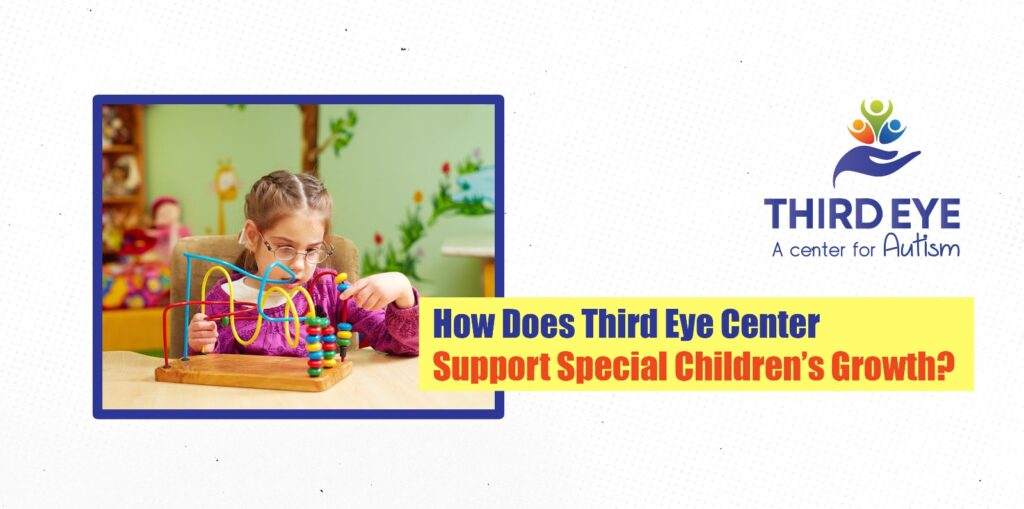
Children can also communicate, have fun and learn in various ways as well as interacting with others. The good learning environment takes into consideration individuality and ensures that all the children have chances to grow.
Table of Contents
ToggleWhy Every Child Needs an Individual Approach
No one learning style is suited for every child.
Some children may prefer to learn in a group activity, and some children may prefer to learn as a one to one child. Some children will be able to express themselves verbally, some will express themselves by gesture, etc.
The learning journey is easy:
Understand → Practise → Participate → Improve → Become More Independent
Everyday Activities Can Become Learning Opportunities
Learning can occur outside of the classroom or therapy session.
Pupils can also practice key skills in everyday activities around the home.
|
Daily Activities |
Skill Acquired |
|
Putting on clothes, washing and drying clothes, etc. |
Self-care |
|
Eating meals |
Communication and routine |
|
Playing |
Sharing and social interaction |
|
Shopping |
Choice-making and communication |
|
Helping at home |
Responsibility and participation |
For instance, when a child is faced with the choice between two clothes, it can promote decision making. Doing simple chores helps to develop responsibility.
Communication Builds Confidence
Communication is very vital in daily operations. One of the ways in which children get to be included is through communication, whereby they are able to express themselves and make various requests or suggestions.
Communication may include:
- Speaking
- Gestures
- Facial expressions
- Pictures
- Visual tools
- Other communication methods
The aim is to enable children to communicate in a way that is suitable for them.
Learning Through Play and Activities
Children learn naturally when they are engaged in interesting activities. Learning should be fun by means of play, art, gardening, outdoor activities, physical exercises and experiences.
These activities can stimulate:
- Creativity
- Movement
- Coordination
- Communication
- Social interaction
- Attention
- Exploration
- Problem-solving
A Comprehensive Approach to Child Development
Enhancing communication can aid social interaction. Improved social skills may result in participation. Self-care skills can help achieve independence.
Development Areas and Why They Matter
|
Development Area |
Why It Matters |
|
Communication |
Children’s needs and ideas are expressed |
|
Social skills |
Becoming part of a group |
|
Self-care |
Supports independence in daily activities |
|
Motor skills |
Assists in moving and activities |
|
Functional learning |
Correlates learning with everyday life |
|
Decision making |
Promotes the right decisions |
|
Play |
Enables creativity and interaction |
|
Pre-vocational skills |
Assist in preparing for responsibilities in the future |
Special Children’s Needs Are Met Through Third Eye Center
The programs of Third Eye Center emphasize the need for individual and practical learning.
It has several programs designed to address the following:
- Language and communication
- Social skills
- Self-help skills
- Functional academics
- Motor development
- Behavioral development and more.
Establishing a Positive Learning Environment
Children thrive on a sense of support and encouragement.
A favourable environment can provide:
- Patient guidance
- Individual attention
- Positive encouragement
- Safe social experiences
- Family involvement
To allow children to learn in a positive way and develop skills at their own rate.
Check also, Specialized Education for Every Special Child
FAQs
- What do you mean by inclusive learning?
- Inclusive learning provides children opportunities to learn and participate taking into account their capability, strength and need for support.
- Why is individualised learning important?
- Individual learning assists the development of activities and objectives in relation to the child’s current abilities and developmental needs.
- What should be the children’s out-of-classroom competencies?
- Learning to communicate, interact with others, care for themselves, make choices, move, be independent and learn about daily life.
- What are some ways that parents can help their child grow?
- Parents can repeat their activities daily, encourage children to talk, give them simple choices and offer suitable activities and praise children’s achievements.
- What are the programs at Third Eye Center?
- Third Eye Center’s published programs include learning and behaviour, social skills, parent training, transition programs, functional school, individualised curriculum, and outdoor activities.
Conclusion
Children can learn communication, social, practical and independent living skills over time with appropriate support, practice, family involvement and in a positive environment.
Third Eye Center is designed to combine aspects of learning and development to provide opportunities for children to develop these skills. It’s sometimes a small step today and a great achievement tomorrow.
Contact us for more information, Third Eye Center.
Source
Blog Created By Ghowthami M
Images Designed by Photoshop
https://www.thirdeyecenter.org/
https://www.indiatoday.in/
https://www.ndtv.com/
https://timesofindia.indiatimes.com/
https://www.thehindu.com/